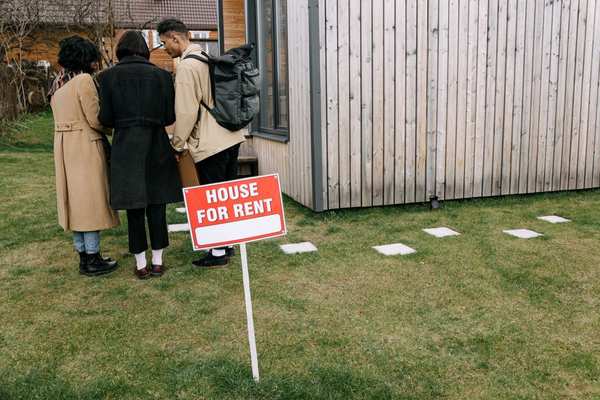
Turning a rented apartment into a weekend Airbnb can look like an easy side-income move: tidy the spare room, publish a listing, and start taking bookings. The insurance question is less simple. A standard renters policy is usually written for personal residential use, while paid short-term hosting can introduce business, liability, property, and lease issues that the policy was never designed to handle.
That does not mean every renter who hosts is automatically uninsured. It means you should not assume ordinary renters insurance will respond the same way once paying guests are regularly entering the home. Coverage depends on your policy language, your insurer, the type and frequency of hosting, your lease, and local rules.
Why ordinary renters insurance can leave a hosting gap
Renters insurance commonly protects your personal belongings, provides personal liability coverage, and may pay additional living expenses after certain covered losses. Those protections are built around your use of the property as a residence. When you accept money from short-term guests, the activity may be treated as business use or a form of rental activity.
That distinction matters because many policies limit or exclude losses connected with business activity. A guest damaging your furniture, slipping in the bathroom, or alleging that their belongings were stolen can create a claim that looks very different from an ordinary personal-use loss. Some insurers may allow limited home-sharing through an endorsement, while others may require a different policy or decline the exposure altogether.
The safest approach is to ask your insurer a direct question before you list the property: “Will my renters policy cover me if I rent all or part of my home to short-term guests for payment?” Ask for the answer in writing and request the exact endorsement or policy language that applies.
AirCover helps, but it is not a substitute for your own insurance
Airbnb includes AirCover for Hosts with eligible stays. Its protections include Host liability insurance for certain claims involving bodily injury or property damage to guests or others, subject to the program’s terms, conditions, limits, and exclusions. Airbnb also provides Host damage protection for certain damage caused by guests, but Airbnb states that this damage protection is not an insurance policy.
Just as importantly, Airbnb advises hosts that AirCover does not replace homeowners insurance, renters insurance, or adequate liability coverage. That is the key point for renter-hosts. Platform protection can be valuable, but it should be treated as one layer of protection rather than the entire insurance plan.
Your lease may be a bigger obstacle than your policy
Before focusing only on Airbnb host insurance, read your lease. Many leases restrict subletting, commercial activity, transient occupancy, or stays by people who are not approved tenants. Even if your insurer offers short-term rental coverage, that does not give you permission to violate the lease.
For example, imagine you rent a two-bedroom apartment and plan to host the second room two weekends each month. Your insurer agrees to add a home-sharing endorsement, but your lease prohibits rentals of fewer than 30 days without written landlord consent. You may have improved the insurance situation while still breaching your rental agreement.
Ask the landlord or property manager for written permission if the lease is unclear. Also check building, homeowners association, condominium, licensing, tax, and local short-term-rental rules where applicable.
What “subletting insurance” really means
People often search for subletting insurance as though it were one standard product. In practice, the phrase can refer to several different solutions. A renter who occasionally hosts a room may need an endorsement to a renters policy. Someone hosting frequently may need a specialized home-sharing or short-term rental policy. In some cases, a carrier may require commercial coverage.
The right option depends on how often you host, whether guests occupy a room or the entire unit, the value of your belongings, your liability exposure, and what your landlord requires. Avoid buying a policy based only on a product name. Tell the insurer exactly how the property will be used.
Questions to ask before your first booking
Start with your renters insurer. Ask whether short-term rental activity is covered, excluded, or available by endorsement. Confirm whether your personal property remains protected while guests are present, whether personal liability applies to paying guests, and whether theft or intentional damage by a guest is treated differently from an ordinary covered loss.
Then ask what happens if hosting becomes more frequent. An insurer may view a few stays per year differently from operating the unit most weekends. You should also ask whether a claim connected to undisclosed hosting could affect coverage or renewal.
Two useful related topics to review are renters insurance liability coverage and how renters insurance protects personal belongings. If you are still deciding whether hosting is allowed at all, a guide to lease rules for subletting can help you frame the right questions before contacting your landlord.
A practical protection checklist
Do not rely on the Airbnb app alone. Keep a copy of your lease approval, insurance endorsement, policy declarations, and any correspondence confirming short-term rental coverage. Document valuable belongings before hosting, maintain smoke and carbon-monoxide alarms, address trip hazards, and keep emergency information available for guests.
Also review your coverage after any major change. Hosting one room occasionally is not the same exposure as renting the entire apartment every week. If your activity grows, tell your insurer instead of assuming the original answer still applies.
FAQ
Does renters insurance cover Airbnb hosting?
Sometimes, but not automatically. Standard renters insurance is generally intended for personal residential use, and business or short-term rental activity may be limited or excluded. Ask your insurer whether your exact hosting arrangement is covered and whether you need an endorsement or separate policy.
Is Airbnb AirCover enough for a renter-host?
It should not be treated as a complete replacement for your own insurance. Airbnb says AirCover for Hosts does not replace renters insurance or adequate liability coverage, and its protections are subject to specific terms and exclusions.
Do I need landlord permission to host on Airbnb?
Often, yes. Your lease may restrict subletting, short-term guests, or business use. Insurance approval does not override lease terms, building rules, or local regulations, so obtain written permission when required.
What insurance should an Airbnb renter-host look for?
Depending on the insurer and how often you host, the answer may be a renters policy endorsement, specialized home-sharing coverage, short-term rental coverage, or another form of liability and property protection. Describe your hosting activity accurately so the insurer can recommend the appropriate option.
Protect the side income before you depend on it
The biggest mistake is assuming that a renters policy and Airbnb’s platform protections automatically fit together. They may overlap in some areas and leave gaps in others. Before accepting a booking, confirm three things: your lease allows the activity, your insurer knows you are hosting, and you understand exactly what AirCover does and does not provide. A short conversation with your landlord and insurer now can prevent a much more expensive surprise after a claim.