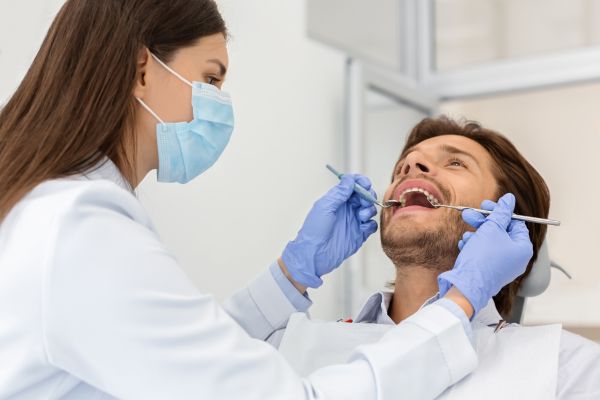
Why Dental Care Becomes More Important With Age
Dental care often becomes more complicated later in life. A person may have taken good care of their teeth for decades and still face new concerns after retirement. Gums can become more sensitive. Old fillings may weaken. Crowns may need replacement. Dentures may stop fitting the way they once did. Dry mouth, certain medications, diabetes, heart conditions, and changes in diet can also affect oral health in quiet but serious ways.
This is why dental insurance for seniors is not just a small add-on to health planning. It can become a practical part of staying comfortable, eating well, speaking clearly, and avoiding bigger health problems. A painful tooth, a loose denture, or untreated gum disease can change daily life more than people expect.
Still, many seniors are surprised when they reach Medicare age and discover that dental coverage is not automatically included in the way they imagined. The gap between medical insurance and dental care can feel confusing. That confusion is exactly why seniors need to look at dental coverage with patience, not panic.
What Medicare Usually Does Not Cover
One of the biggest misunderstandings about senior dental care involves Original Medicare. Many people assume that once they qualify for Medicare, routine dental visits will be covered like doctor appointments. In most cases, that is not how it works.
Original Medicare generally does not cover routine dental care such as cleanings, fillings, tooth extractions, dentures, implants, or regular dental exams. There are limited situations where Medicare may cover dental services connected to a covered medical procedure, but these are exceptions rather than everyday dental benefits.
That leaves many older adults paying out of pocket unless they have another form of dental coverage. For someone who only needs two cleanings a year, that may seem manageable. However, dental expenses can rise quickly when crowns, bridges, oral surgery, periodontal treatment, or dentures enter the picture.
This gap is the main reason people begin comparing dental insurance plans after age 60 or 65. They are not looking for luxury treatment. Most are simply trying to protect themselves from large, unexpected dental bills.
Understanding Dental Insurance for Seniors
Dental insurance for seniors works differently from standard medical insurance. A dental plan often has a monthly premium, an annual deductible, coverage percentages, waiting periods, and a yearly maximum benefit. That yearly maximum is especially important because it limits how much the plan will pay in a year.
Many plans follow a structure that gives the most generous coverage for preventive care. Cleanings, exams, and X-rays may be covered at a higher percentage than fillings, root canals, crowns, or dentures. Basic services may receive moderate coverage, while major services may come with higher out-of-pocket costs.
This does not mean the plan has no value. It simply means seniors should read the details carefully. A plan that sounds affordable may have a low annual maximum. Another plan may have better major-service coverage but a longer waiting period. Some plans include strong preventive benefits but do very little for dentures or implants.
The right choice depends on the person’s mouth, not just the price tag.
Preventive Care Is the Quiet Hero
Preventive care may sound ordinary, but it is one of the strongest reasons to consider dental coverage. Regular cleanings and exams help catch problems early, before a small cavity becomes a root canal or mild gum irritation becomes advanced periodontal disease.
For seniors, prevention can be especially valuable because oral health connects with overall health. Poor dental health can make eating difficult, affect nutrition, and increase discomfort. Gum disease may also be a concern for people managing chronic health conditions.
A good dental plan encourages routine visits by making preventive care easier to afford. Even when a senior feels that their teeth are “mostly fine,” regular checkups can spot changes that are not yet painful. Dental problems have a habit of staying quiet until they become expensive.
In that sense, dental coverage is not only about paying for treatment. It is also about building a rhythm of care.
Medicare Advantage and Dental Benefits
Many seniors look at Medicare Advantage plans because these plans may include dental benefits that Original Medicare does not provide. Some Medicare Advantage plans offer basic preventive dental care, while others may include more comprehensive services such as fillings, extractions, dentures, or crowns.
However, benefits vary widely. One plan may offer a modest annual dental allowance. Another may cover only in-network dentists. A third may include preventive care but limit major procedures. Seniors should never assume that the word “dental” means full dental protection.
It is important to check which dentists participate in the plan, what procedures are covered, whether referrals are needed, and how much the plan will pay each year. A dental benefit is only useful if it works with the providers and treatments a person actually needs.
For seniors who already like their dentist, the provider network matters a lot. Switching plans may not feel worthwhile if it means losing a trusted dentist who understands years of dental history.
Standalone Dental Plans
Standalone dental insurance is another option. These plans are separate from Medicare and can be purchased directly from dental insurance providers or through other channels. They may appeal to seniors who have Original Medicare, a Medicare Supplement plan, or a Medicare Advantage plan with weak dental benefits.
Standalone plans can offer more choice, but they still require careful reading. Some have waiting periods for major dental work. Some limit coverage for dentures, bridges, implants, or oral surgery. Others may have low annual maximums that are quickly reached after one major procedure.
A senior who already knows they need major work should be especially cautious. Buying a plan today does not always mean expensive treatment will be covered tomorrow. Waiting periods can delay coverage for crowns, dentures, or root canals.
That does not make standalone plans useless. It simply means they work best when chosen before dental problems become urgent.
Dental Discount Plans and Out-of-Pocket Choices
Dental discount plans are not insurance, but they are sometimes considered by seniors who want lower prices at participating dentists. Instead of paying claims, these plans offer reduced rates when a person uses dentists in the plan’s network.
This arrangement can be useful for some people, especially if they do not want waiting periods or annual maximums. However, the savings depend entirely on whether local dentists participate and whether the discounted prices are truly better than regular self-pay rates.
Some seniors also choose to pay out of pocket and set aside money for dental care. This can work for people with healthy teeth and predictable needs. But it becomes risky when major treatment appears unexpectedly. A single crown, extraction, denture repair, or implant consultation can quickly disturb a fixed retirement budget.
The best approach is not the same for everyone. It depends on dental history, income, local provider options, and comfort with financial risk.
What Seniors Should Compare Before Choosing
Choosing dental insurance should not begin with the premium alone. A low monthly cost may look attractive, but it can hide weak benefits. Seniors should look at the full picture.
The annual maximum is one of the first details to check. If a plan pays only a limited amount each year, the senior may still carry most of the cost for major work. Deductibles also matter, though they are often smaller than medical deductibles.
Coverage categories are another key area. Preventive, basic, and major services may all be covered differently. A plan that pays well for cleanings may not help much with dentures. A plan that covers crowns may still exclude implants. Waiting periods should also be reviewed, especially for anyone expecting treatment soon.
The dentist network may be the most personal issue. Many seniors prefer staying with a dentist they know. If that dentist is out of network, the plan may become less useful or more expensive than expected.
The Human Side of Senior Dental Coverage
Dental insurance can sound like a technical subject, but the real issue is deeply human. Teeth affect confidence. Dentures affect meals. Gum pain affects sleep. Missing teeth can change how someone speaks or smiles in photographs. For older adults, these things are not minor.
There is also the matter of dignity. Many seniors delay dental care because they do not want to burden family members or disturb a careful budget. Some wait until pain forces them into an emergency appointment. By then, the treatment may be more invasive and more costly.
Good dental planning gives people more control. It may not remove every expense, but it can reduce uncertainty. It can also make regular care feel normal rather than optional.
Conclusion
Dental insurance for seniors deserves thoughtful attention because oral health remains part of overall well-being at every age. The challenge is that coverage is not always simple. Original Medicare usually does not cover routine dental care, Medicare Advantage benefits vary, standalone plans have limits, and discount plans are not the same as insurance.
Still, seniors have options. The best plan is not always the cheapest or the one with the longest list of benefits. It is the plan that matches a person’s real dental needs, preferred dentist, budget, and likely future care. A senior with healthy teeth may value preventive coverage most. Someone facing dentures, crowns, or gum treatment may need stronger major-service support.
In the end, dental coverage is about more than teeth. It is about comfort, nutrition, confidence, and peace of mind. With careful comparison and a clear understanding of the fine print, seniors can make dental care feel less uncertain and much more manageable.