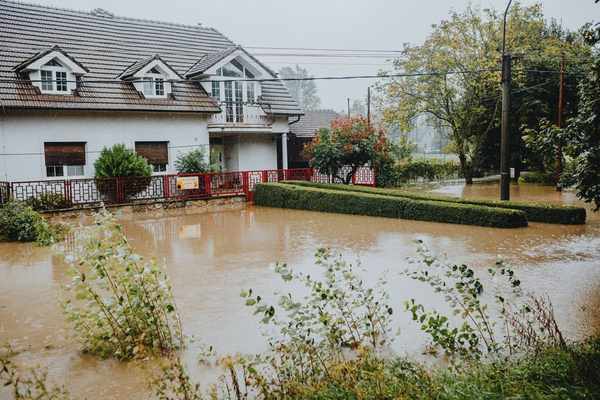
Homeowners in low-risk flood zones often assume they’re in the clear when it comes to flood damage. That assumption is getting more expensive by the year. Heavy rainfall events, overwhelmed drainage systems, and shifting weather patterns mean flooding no longer respects the lines drawn on FEMA flood maps. If you’re budgeting for home insurance in 2026, understanding flood insurance cost isn’t just for people who live near a river or coastline anymore — it’s a conversation every homeowner should have.
Why Flood Risk Is No Longer Confined to Mapped Flood Zones
Flood zone maps were built to estimate risk based on historical data, elevation, and proximity to water. The problem is that these maps update slowly, while weather patterns are changing quickly. Urban development has paved over natural drainage areas, and more frequent intense rainfall is overwhelming stormwater systems even in places considered low-risk. As a result, a significant share of flood insurance claims each year come from properties located outside officially designated high-risk flood zones.
This is exactly why flood insurance has become a topic of interest for homeowners who previously never thought twice about it. Standard home insurance policies typically exclude flood damage entirely, leaving a gap that many people don’t discover until it’s too late.
Standard Home Insurance Doesn’t Cover Flooding
It surprises a lot of homeowners to learn that a standard home insurance policy will pay for wind damage, fire, and even certain water damage from burst pipes, but not flooding caused by rising water from outside the home. Whether it’s a storm surge, an overflowing creek, or rainwater pooling faster than the ground can absorb it, flood damage generally requires a separate policy. That’s where the National Flood Insurance Program (NFIP) and private flood insurance options come in.
NFIP Flood Insurance: The Baseline Option
The NFIP, managed by FEMA, has historically been the most common source of flood coverage for American homeowners. It offers standardized coverage limits, generally up to $250,000 for the structure of the home and $100,000 for personal belongings, though these limits can vary based on program updates. Because NFIP pricing is based on a rating system that considers a property’s specific flood risk — including elevation, distance to water, and flood history — costs can vary widely from one home to the next, even within the same neighborhood.
One advantage of NFIP coverage is availability. Because it’s a federally backed program, it’s typically accessible even in areas where private insurers are hesitant to write policies due to high risk.
Limitations Worth Knowing
NFIP policies come with coverage caps that may not fully protect higher-value homes, and they often don’t cover additional living expenses if you need temporary housing during repairs. This is one reason many homeowners look toward private flood insurance to fill in the gaps.
Private Flood Insurance: More Flexibility, Different Pricing
Private flood insurance has grown significantly as an alternative to NFIP coverage. Private insurers often offer higher coverage limits, broader protection (including additional living expenses), and sometimes more competitive pricing for lower-risk properties. Because private insurers use their own underwriting models, pricing can be more tailored to an individual property rather than relying solely on FEMA flood zone designations.
For homeowners outside high-risk flood zones, this can actually work in their favor — private insurers may offer relatively affordable premiums precisely because the statistical risk is lower, even if it isn’t zero. That said, private flood insurance availability can vary by state and insurer, so it’s worth comparing quotes rather than assuming one option is universally cheaper.
What Actually Affects Flood Insurance Cost
Several factors influence what a homeowner ultimately pays for flood coverage, regardless of whether they choose NFIP or a private policy:
Flood zone classification: Properties in designated high-risk zones (often labeled with an “A” or “V” prefix) generally pay more than those in moderate- or low-risk zones — but low-risk doesn’t mean no-risk, and pricing reflects that nuance.
Elevation and foundation type: Homes built at or below base flood elevation, or those with basements, typically face higher premiums due to increased exposure.
Coverage amount and deductible: Higher coverage limits and lower deductibles increase premiums, just as with any insurance policy.
Building age and construction: Older homes or those without flood-resistant features may cost more to insure than newer construction built to updated flood-resilience standards.
Claims history: A property with a history of flood claims will typically see higher pricing, even after a change in ownership.
Is Flood Insurance Worth It Outside a Flood Zone?
This is the question more homeowners are asking as natural disasters become less predictable and more frequent. The reality is that flood risk maps are a snapshot of historical data, not a guarantee of future safety. Many homeowners who experienced flood damage in recent years were located outside mapped high-risk zones and had no flood coverage at all, leaving them to pay out of pocket for repairs.
Given that flood insurance in lower-risk areas is often more affordable than people expect, it can make sense as a relatively low-cost way to protect against a high-cost, low-probability event. Bundling it into your broader home insurance planning — rather than treating it as an afterthought — is becoming a more common strategy among financially cautious homeowners.
How to Get an Accurate Flood Insurance Quote
The most reliable way to understand your actual flood insurance cost is to request quotes directly, since online estimates rarely account for property-specific details. When requesting a quote, have your property’s elevation certificate (if available), flood zone designation, and any prior claims history on hand. Comparing both an NFIP quote and at least one private flood insurance quote will give you a clearer picture of your options and help you avoid overpaying for coverage that doesn’t match your actual risk.
Frequently Asked Questions
Do I need flood insurance if I’m not in a high-risk flood zone?
It’s not legally required in most cases, but it’s increasingly recommended. A large share of flood claims each year come from properties outside high-risk zones, and standard home insurance doesn’t cover flood damage.
Is private flood insurance cheaper than NFIP coverage?
It depends on your property’s risk profile. Private insurers often offer more competitive pricing for lower-risk homes, while NFIP can be more accessible for higher-risk properties where private insurers may be hesitant to offer coverage.
What does flood insurance typically not cover?
Most flood policies exclude damage from sewer backups (unless a separate rider is purchased), temporary housing costs under NFIP, and damage to items stored below ground level in basements, such as certain personal belongings and finishes.
Can flood insurance rates change from year to year?
Yes. Both NFIP and private insurers periodically update their pricing models based on updated flood risk data, claims trends, and broader changes in climate-related risk assessments.
Flooding doesn’t check a map before it happens. As weather patterns continue to shift and flood risk spreads beyond traditionally mapped zones, flood insurance is shifting from a niche purchase to a mainstream part of responsible home insurance planning. Whether you choose NFIP, a private policy, or a combination of both, the smartest move is understanding your actual risk rather than relying on outdated assumptions about where floods can and can’t happen.