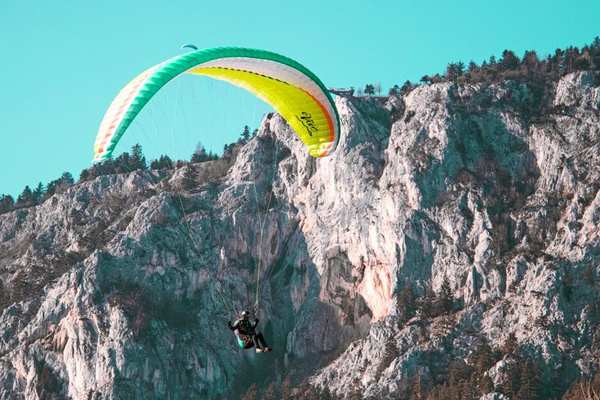
A canyoning excursion and a quiet city break can appear on the same itinerary, but an insurer may treat them very differently. A standard travel policy might cover an unexpected illness yet exclude an injury suffered while abseiling. That is why travel insurance for adventure sports deserves more than a glance at the medical benefit limit.
The useful question is not whether a policy advertises adventure travel insurance. It is whether your exact activity, location and conditions qualify for protection. Answering that before departure can prevent an expensive surprise.
Start with the activity, not the policy name
Insurers classify sports differently. One policy may include recreational kayaking while another distinguishes calm-water paddling from white-water rafting. A ski policy might cover marked resort runs but exclude off-piste terrain. Altitude, depth, speed and competition can all change an activity’s classification.
Make an activity-by-activity itinerary before comparing plans. Record whether you will use an instructor and any technical details that influence eligibility. For trekking, identify the maximum elevation and whether ropes are required. For diving, note your certification and intended depth. For motorcycling, check licensing, engine-size and helmet conditions.
Read the policy’s activity schedule and definitions rather than its marketing summary. If the wording is ambiguous, request written confirmation for your specific plans.
What adventure medical coverage can include
Emergency treatment following an eligible accident
When an activity is covered, emergency medical benefits may pay eligible ambulance charges, hospital treatment, surgery and medication. Payment depends on limits, excesses, exclusions and medical-necessity rules. Ordinary health insurance may not work abroad, while medical cover is different from cancellation insurance.
Medical evacuation is not mountain rescue
Medical evacuation generally involves necessary transport to a suitable treatment facility. Search and rescue involves finding or extracting someone from a trail, slope, river or wilderness area. Some policies cover evacuation but exclude the rescue operation needed first.
The US Centers for Disease Control and Prevention advises adventure travelers to check wilderness rescue and sports exclusions. Ask whether helicopter extraction, ground rescue, hospital transfers and medical repatriation are included. Also ask who authorizes transport and whether the assistance provider can arrange it at your destination.
Trip interruption and equipment benefits
Some plans include trip interruption, baggage or sporting equipment benefits. These do not automatically pay when bad weather cancels an excursion or rented gear is damaged. Check the named triggering events, equipment restrictions and separate benefit limits.
Exclusions that can change the answer
A hazardous activity exclusion may remove protection for injuries arising from sports the insurer considers high risk. Other policies permit the activity only with an optional sports activity coverage upgrade. A sport excluded by one insurer might be covered by another.
Altitude and terrain are common dividing lines. A trekking allowance might stop above a specified elevation; hiking may not include technical mountaineering. Off-piste skiing may have rules about guides and permitted areas.
Depth and qualifications also matter. Scuba coverage may depend on certification, supervision or maximum depth. Professional participation and timed competitions may be distinguished from recreational activities.
Conduct restrictions can include intoxication, missing safety equipment or insufficient licensing. Destination warnings, undisclosed pre-existing medical conditions and excluded regions may also affect coverage. Check whether an exclusion applies only to injuries caused by the sport or has wider consequences.
A mountain trek shows the hidden gap
Imagine booking a guided trek reaching 4,500 metres. Your policy advertises hiking coverage and a substantial emergency medical limit. During the trek, a serious illness requires extraction from a remote campsite. The medical limit alone does not answer whether the claim will be accepted.
First, the policy must permit trekking at that altitude. Second, it must address rescue from the mountain, not simply ambulance transport after reaching a road. Third, the assistance provider must be able to arrange or approve evacuation locally. In some locations, rescue operators require payment arrangements before deploying.
Before leaving, email the insurer your route’s maximum altitude, guide arrangements and likely rescue circumstances. Save the response alongside your policy. This is more reliable than a generic promise of worldwide coverage.
How to compare policies and upgrades
List every activity you realistically plan to attempt, including optional excursions. Compare a standard plan, any sports extension and specialist alternatives against that same list. An inexpensive upgrade has little value if your main activity remains excluded.
Review medical and evacuation limits separately, along with deductibles, territorial boundaries, dates and pre-existing condition rules. Find out whether care or transport requires prior approval. Ask whether the insurer pays hospitals directly or expects you to claim reimbursement.
Read cancellation terms independently. Having accident coverage for an activity does not mean its booking cost is refundable when conditions look unsafe. A travel medical insurance checklist and an adventure trip planning guide can help you review these different risks.
Keep the policy wording, upgrades, emergency assistance number and excursion bookings available offline. If you add an activity after departure, check eligibility before participating rather than assuming you can extend coverage retrospectively.
What to do after an adventure-sports injury
Seek urgent local help first. Once safe, contact the insurer’s emergency assistance team as soon as practical, especially before expensive transfers that may need approval. Explain your location, the activity involved, the treatment facility and how the team can reach you.
Keep medical records, receipts, guide reports and rescue invoices. Record the incident’s circumstances while details are fresh. A travel insurance claims checklist can help organize documents, but always follow your insurer’s reporting deadlines.
Frequently asked questions
Does standard travel insurance cover adventure sports?
Sometimes. Certain recreational activities may be included automatically, while climbing, diving or snow sports may need an extension or specialist policy. Only the actual activity list and definitions establish coverage.
Does evacuation insurance include helicopter rescue?
Not automatically. Medical transport to a hospital and search-and-rescue extraction can be separate benefits. Check both, including any location restrictions and limits.
Can I add sports coverage after buying insurance?
Some insurers allow upgrades before the activity begins, but deadlines and restrictions vary. Get written confirmation that coverage is active before participating.
Am I covered for an activity booked spontaneously abroad?
Only if that activity and its conditions fall within your policy. Ask about an upgrade before taking part. A tour operator’s insurance is not a substitute for checking your own protection.
Choose coverage for the actual adventure
Effective travel insurance for adventure sports matches an itinerary to precise policy definitions. Confirm activity restrictions, distinguish rescue from medical transport and document answers to unclear questions. You can then travel knowing what protection applies, and which risks remain your responsibility.